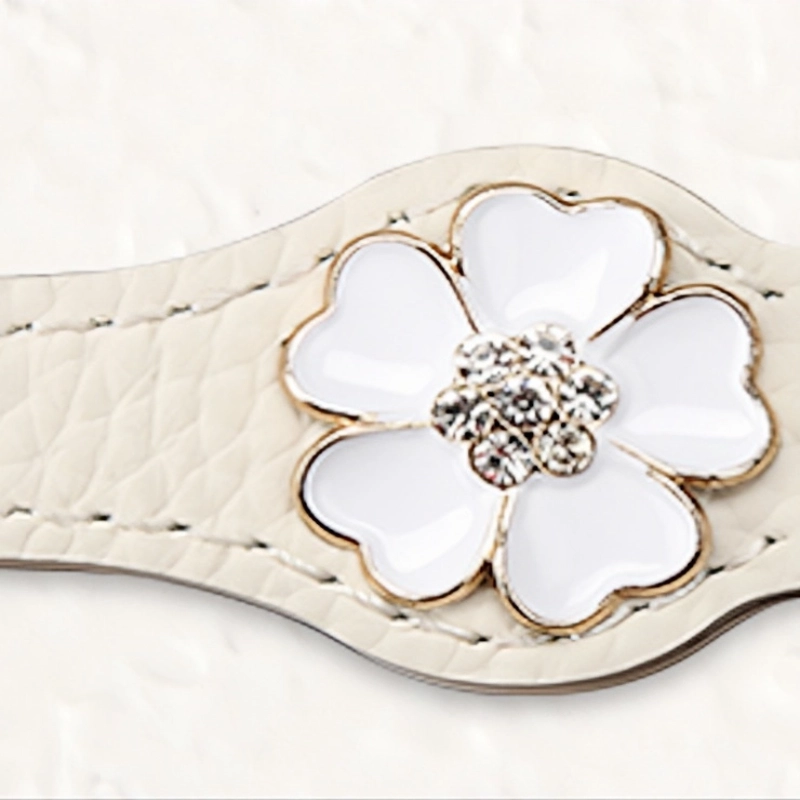
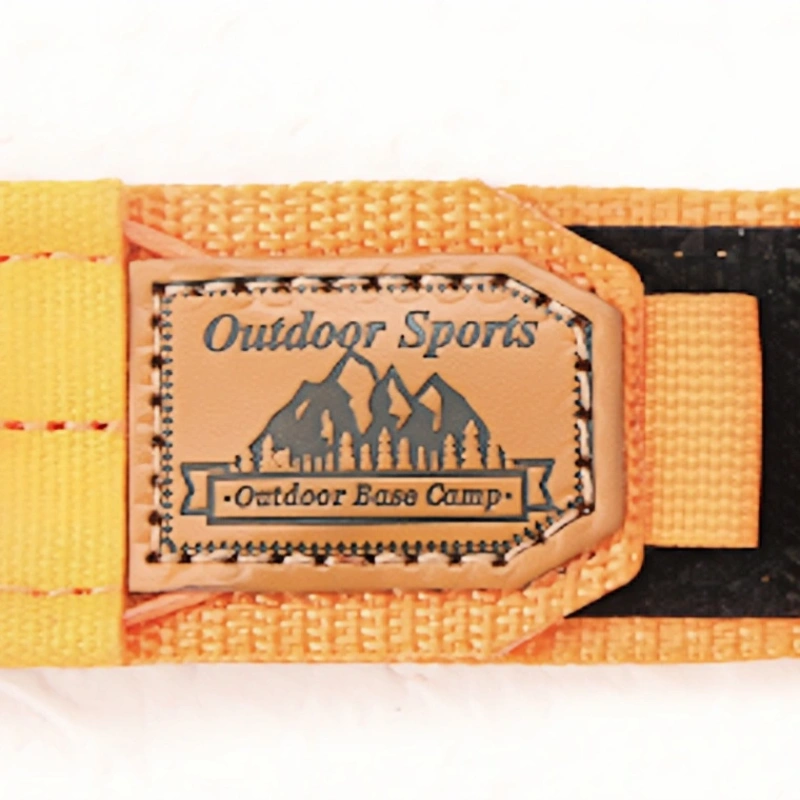
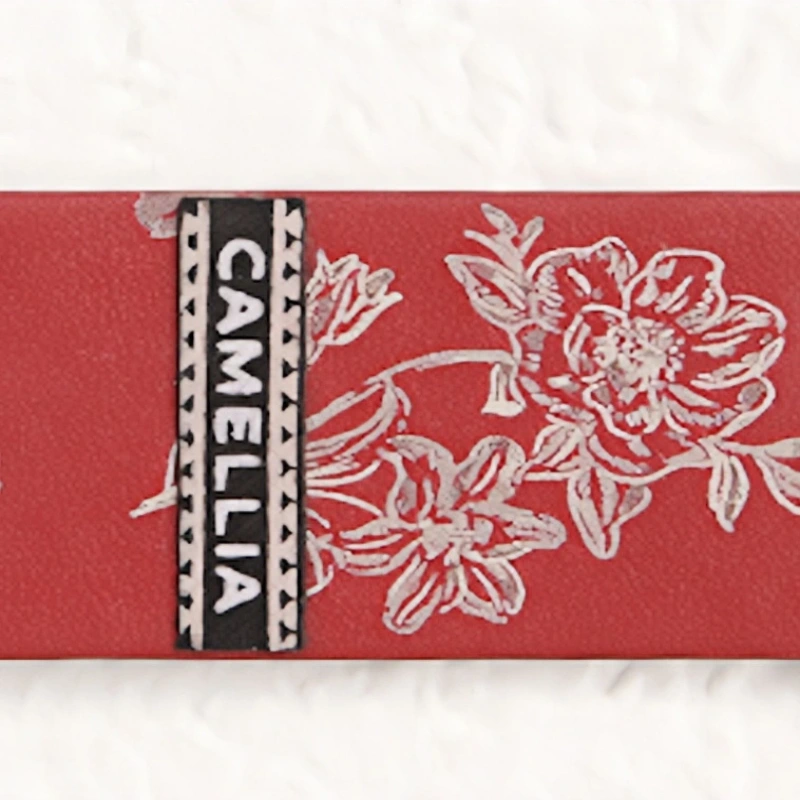
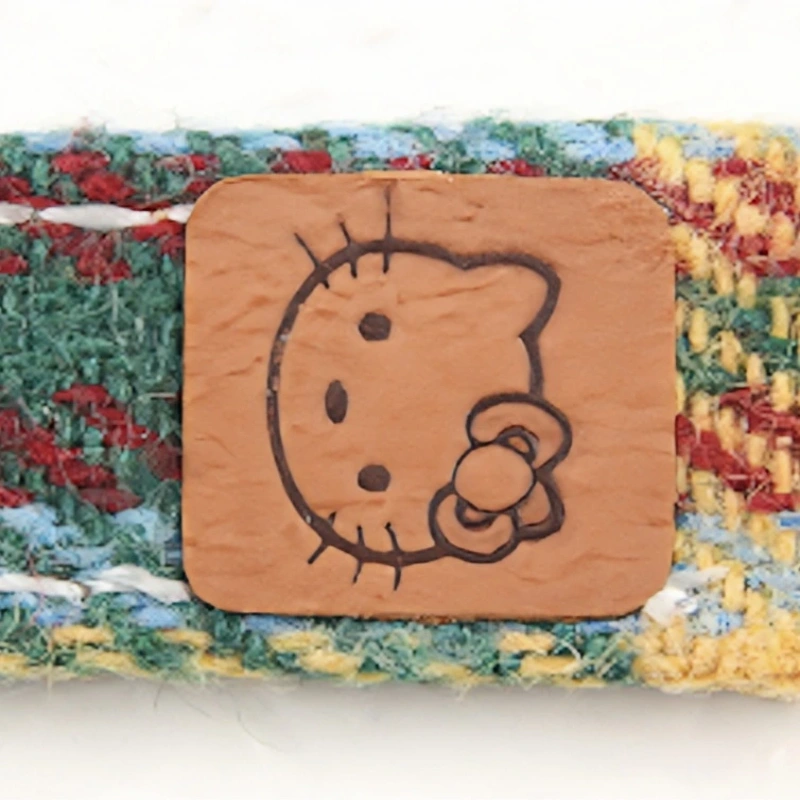
Fupengda provides samples for your convenience to check the quality before placing an order. Our experienced sales team will guide you throughout the process, welcome to send us your requirements at any time.
Leather watch strap Craftsmanship
The complete process from material selection to shipment
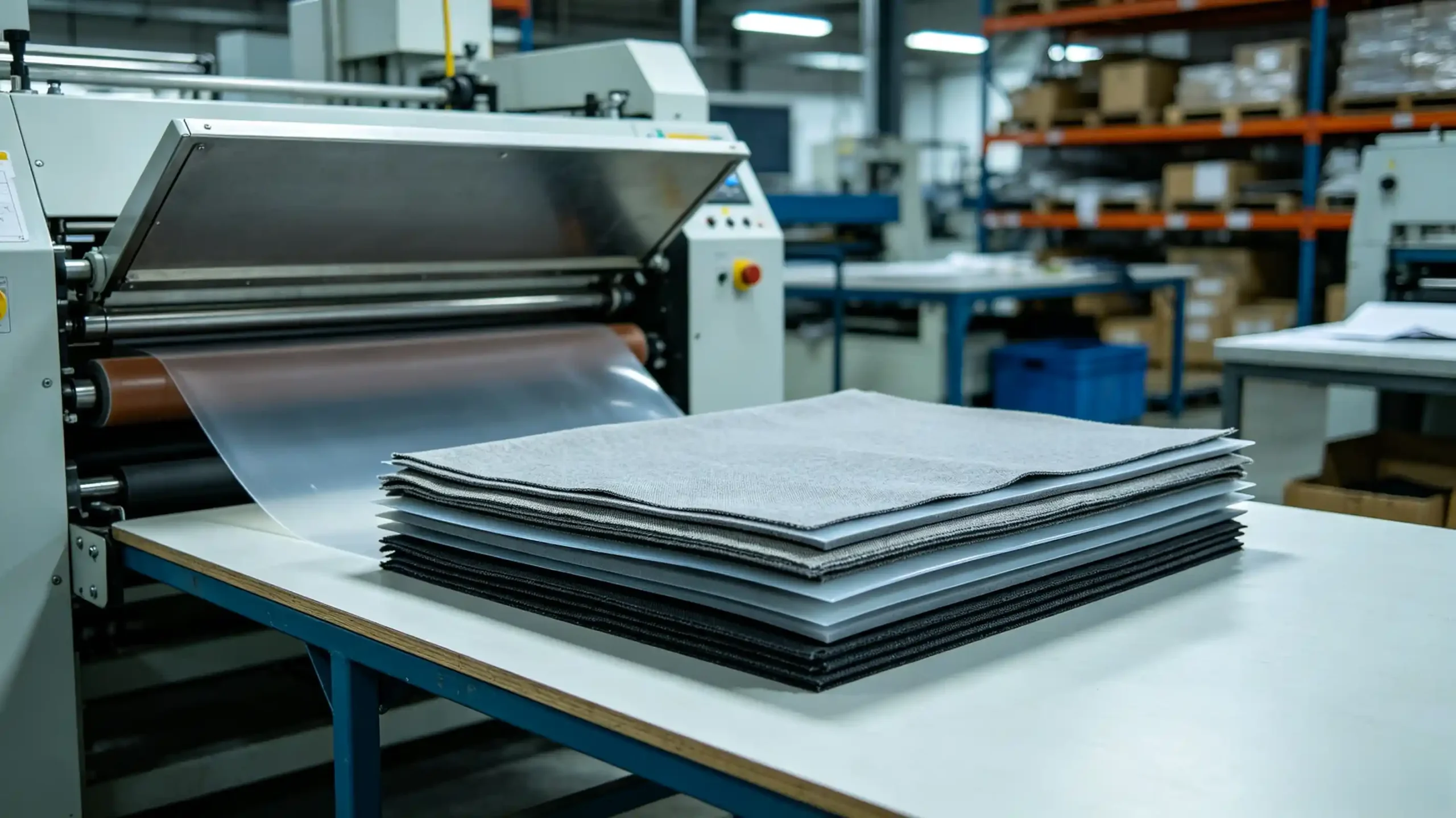
Fabric Pre-treatment & Hot-Press Lamination Process
1. Material Stacking & Alignment: Stack the materials neatly in the specific order of "outer fabric layer + hot-melt adhesive film + cushioning interlayer + skin-friendly backing fabric," ensuring all four layers are aligned without shifting or wrinkling;2. Equipment Parameter Setup: Configure the constant temperature, pressure, and dwell time based on fabric thickness (standard fabric watch straps: temperature 120–140°C, pressure 0.3–0.5 MPa, dwell time 15–25 seconds);3. High-Temperature Heat Pressing: Feed the stacked materials into the heat press for bonding under constant temperature and pressure, allowing the hot-melt adhesive film to fully melt and penetrate the fabric fibers, achieving a seamless bond across all four layers;4. Cooling & Setting: Allow the material to cool naturally or via forced air after heat pressing to ensure the composite sheet fully cures, maintaining flatness and structural integrity;5. Roll-up & Storage: Roll up the qualified composite sheets for storage, pending subsequent cutting and processing.
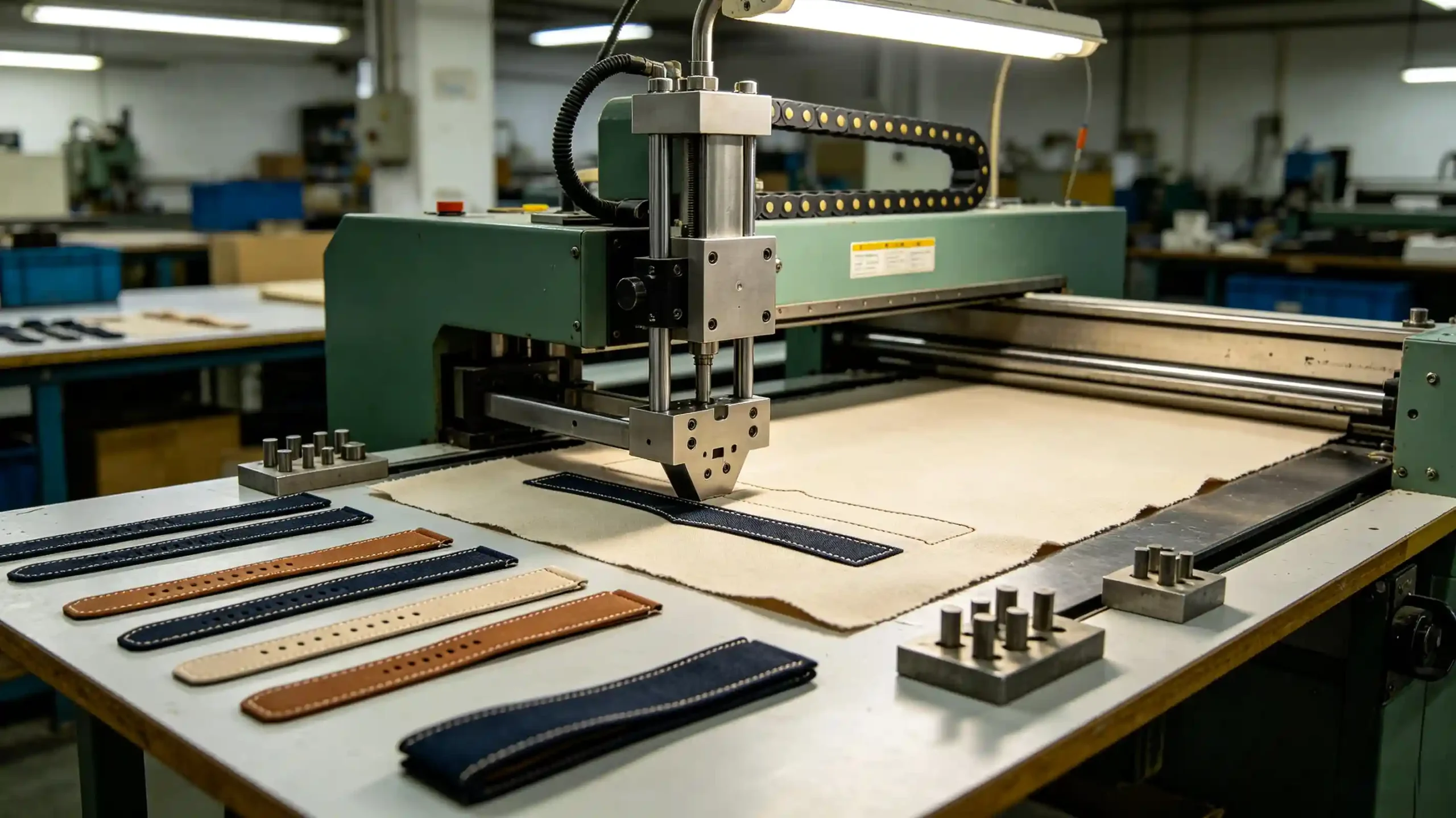
Cutting and shaping (die-cutting the watch strap profile and punching holes)
1. Mold Calibration: Swap in the cutting die corresponding to the watch strap specifications (18/20/22/24mm) and calibrate the mold's level and position to ensure cutting accuracy.2. Positioning: Lay the cooled, cured composite sheet flat onto the cutting table and position it precisely to prevent any misalignment.3. Batch Cutting: Activate the hydraulic equipment to cut out the complete watch strap profile in a single operation, including the lug curves, tail curvature, and overall dimensions.4. Precision Hole Punching: Use specialized tooling to punch holes for spring bars and length adjustments, ensuring centered placement and clean, neat edges.5. Blank Sorting: Remove the cut strap blanks, clear away excess scrap and loose fibers, and sort out defective units (such as those with dimensional deviations or cutting flaws).
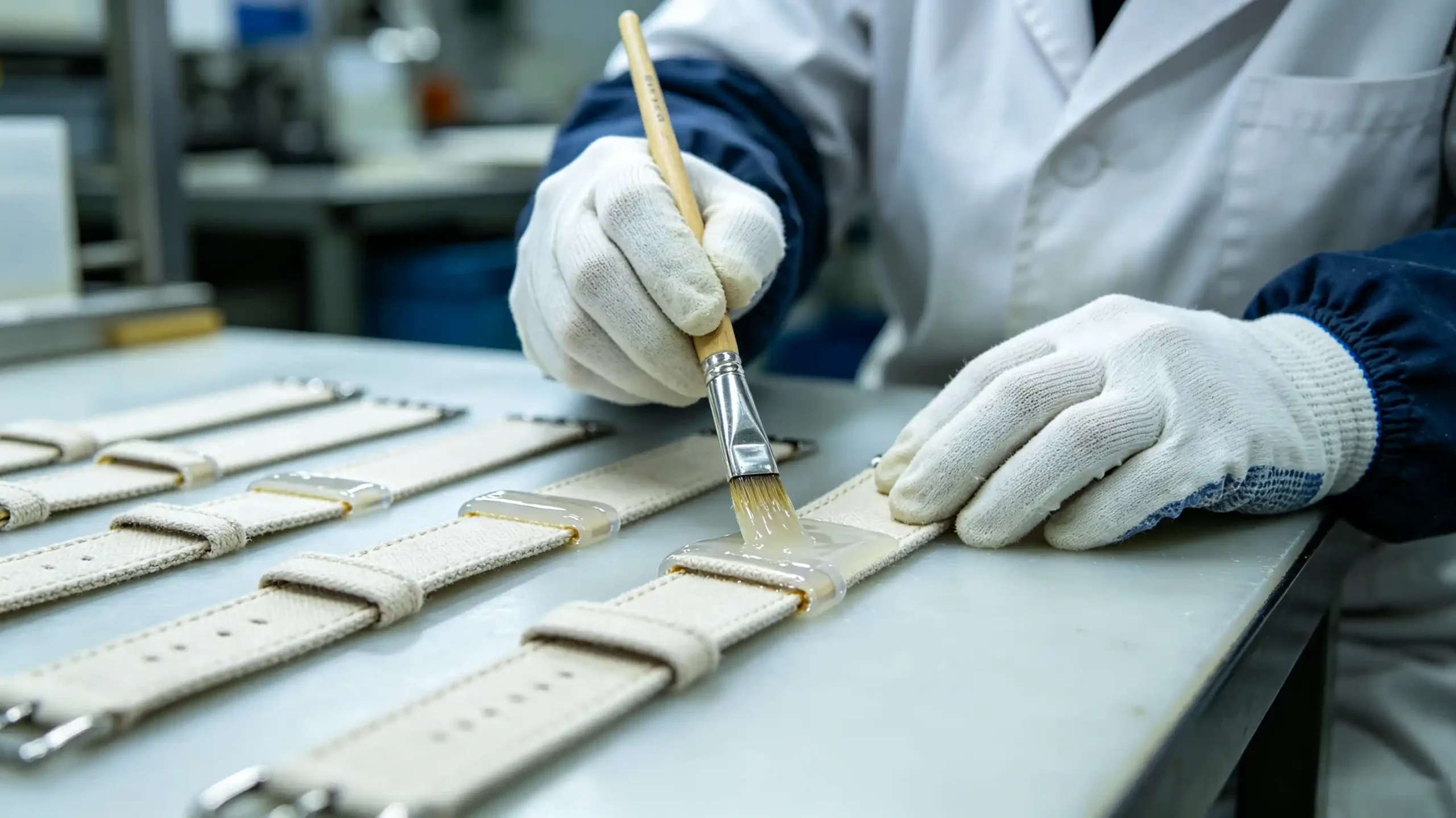
Reinforced side edge sealing
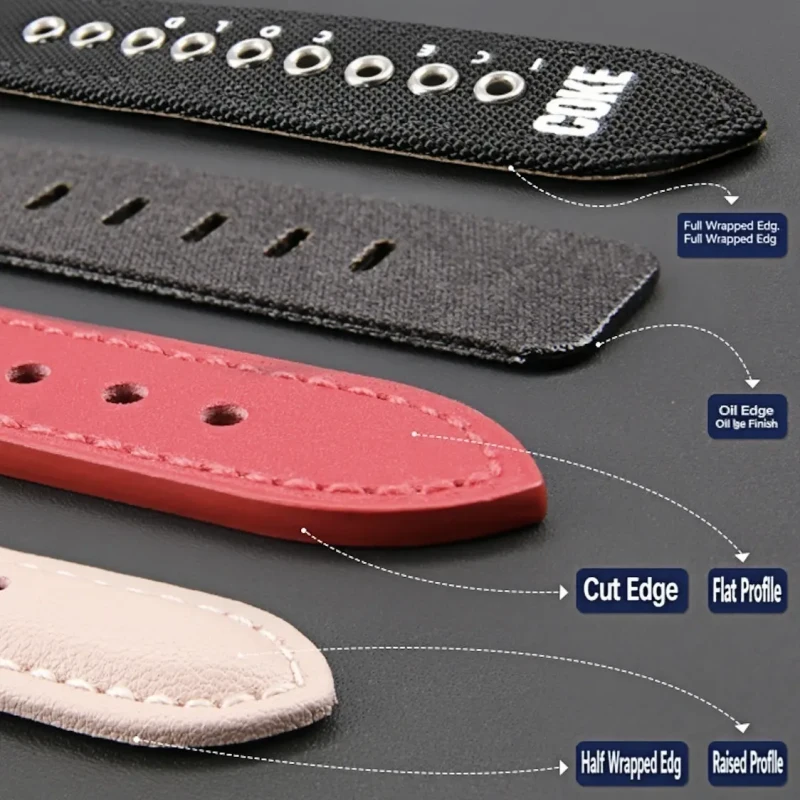
1. Economy Option: Eco-friendly Edge-Sealing Adhesive ApplicationA transparent, flexible edge-sealing adhesive is applied evenly—either manually or via semi-automated equipment—across the entire cross-section of the strap's edges. The adhesive penetrates the fabric fibers; upon drying and curing, it locks the edges securely. The finish remains soft without stiffening or whitening, effectively securing all loose threads.2. Mid-to-High-End Option: Fabric Edge-Binding & StitchingThe entire cross-section of the strap edge is wrapped in a specialized, thin binding strip. This is fully enclosed using a binding machine and then secured with stitching, completely concealing the raw fabric edge. This method offers the best tactile feel, eliminates fraying, and ensures maximum durability.3. Premium Option: High-Density Overlock StitchingAn overlock machine applies high-density stitching along the strap edges, locking in all edge yarns. The resulting stitch line is smooth and neat, balancing aesthetic appeal with practical functionality.Standardized Operational Requirements: Complete edge coverage with no missed spots, adhesive clumps, or uneven thickness; once dry, the edge finish must show no signs of stiffening, cracking, or whitening defects.
Precision stitching and hardware assembly
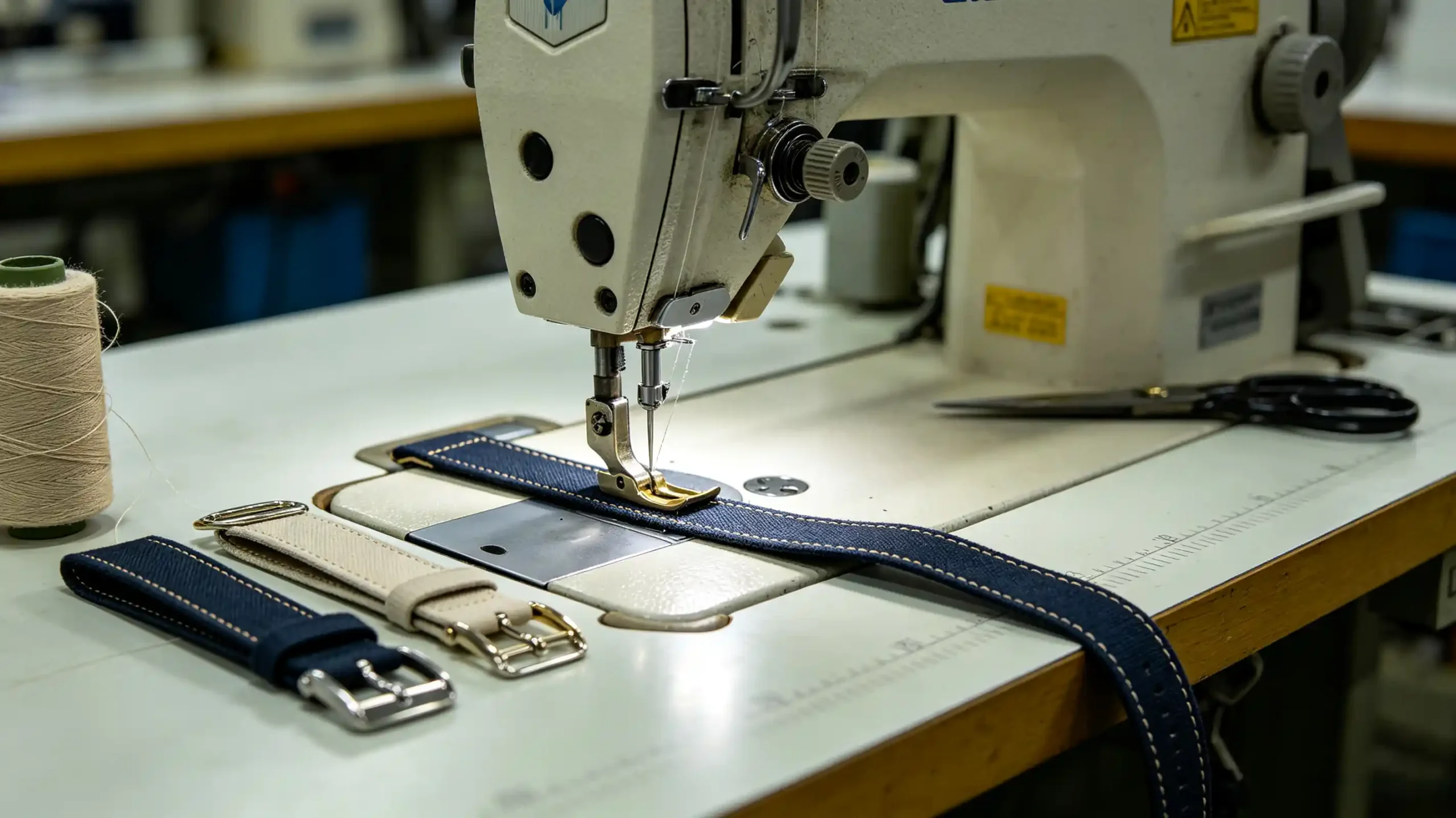
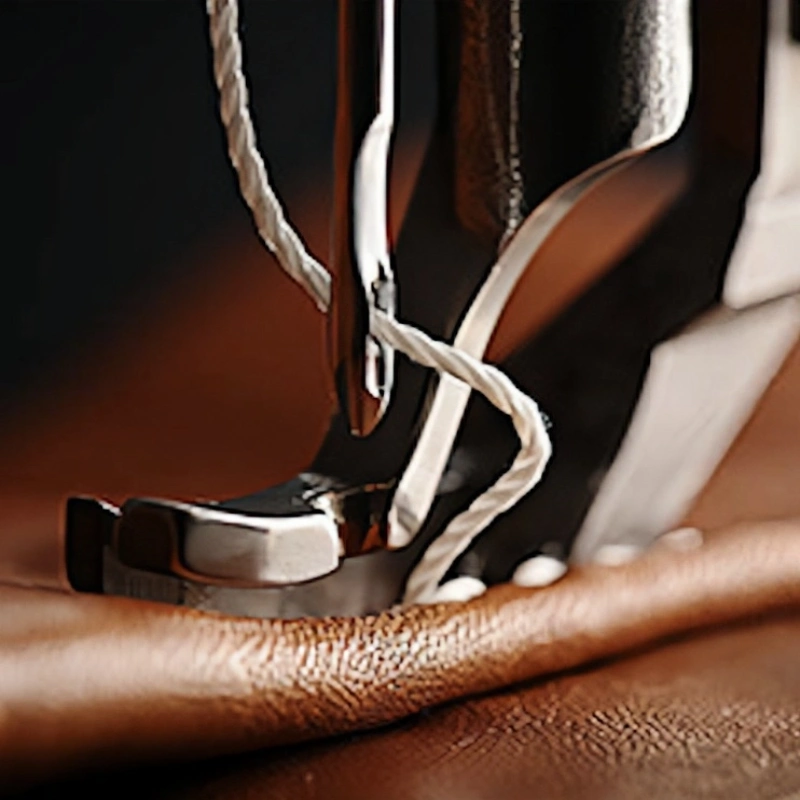
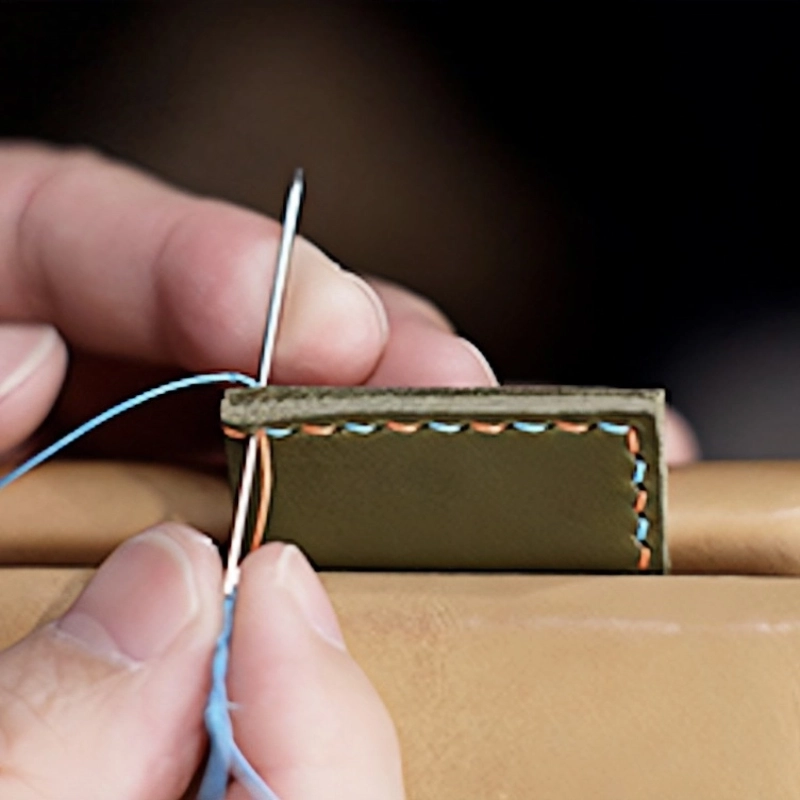
1. Reinforced contour stitching: Uniform double-row stitching follows the outer edge of the strap; consistent stitch spacing and smooth thread alignment securely lock the top, interlining, and bottom layers together, preventing delamination or splitting.2. Critical point reinforcement (back-stitching): High-stress areas—such as lug connections, holes, and hardware attachment points—are reinforced with back-stitching to enhance tensile strength.3. Hardware assembly: Precise installation of the stainless steel pin buckle, keepers, and quick-release metal connectors, ensuring accurate alignment without offset.4. Secure anchor stitching: Dense double-row stitching at hardware mounting points prevents detachment under tension; the smartwatch-specific quick-release mechanism is securely pressed and fixed to eliminate looseness or wobbling.5. Logo application: Brand logos are applied using heat transfer or silicone heat-stamping processes, ensuring smooth, clear patterns and eliminating the peeling issues associated with screen printing.Key Quality Control Points: No skipped stitches, missed stitches, or loose threads; tensile strength meets standards (no thread breakage or edge splitting under pull); hardware is secure and properly aligned (no looseness or skewing).
Finished product post-processing (beautification and protection steps)
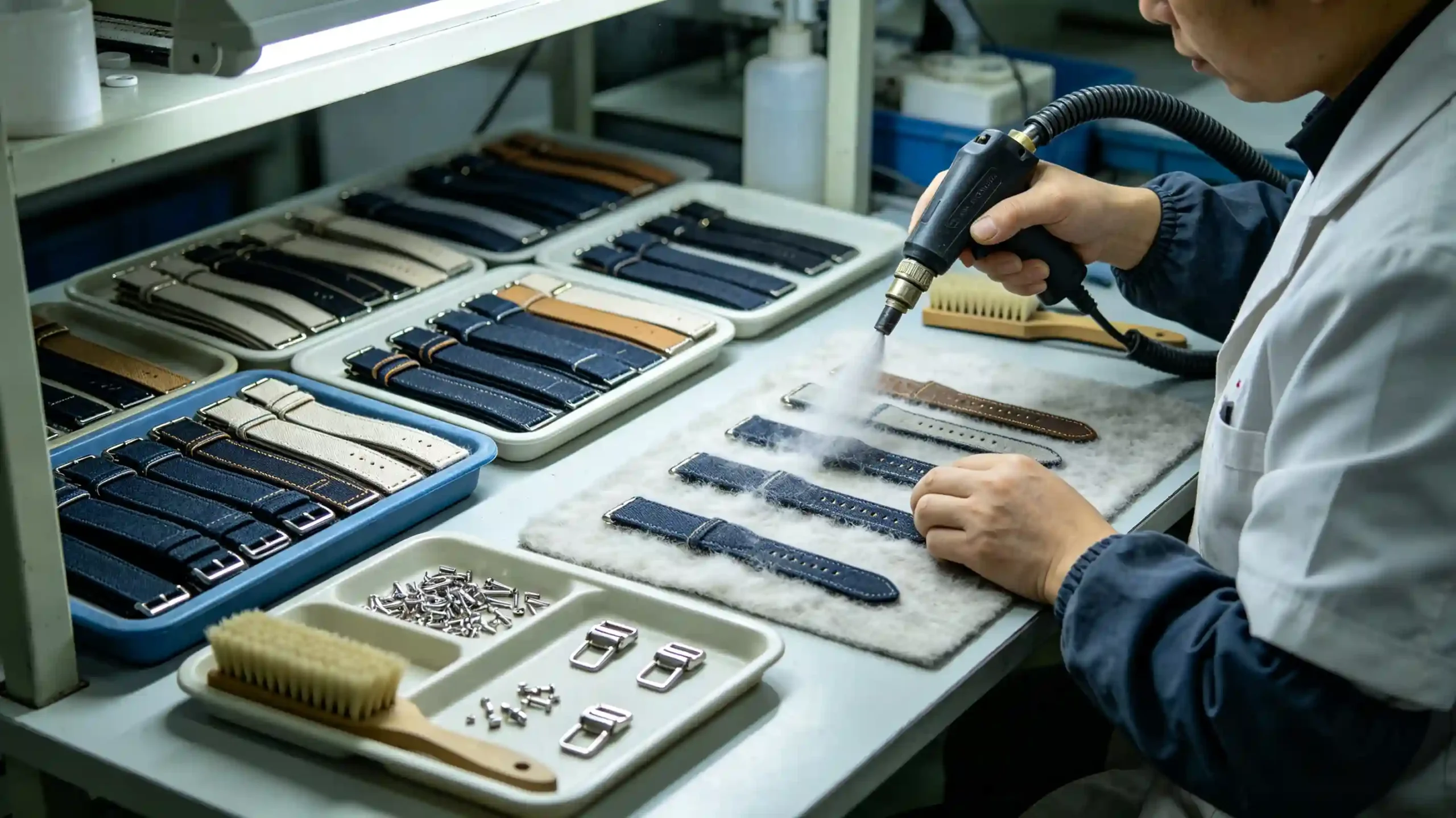
Process Objectives: To remove lint, oil stains, and adhesive residue; correct imperfections; enhance water and stain resistance; and elevate the texture and overall appearance of the finished watch strap.1. Defect Correction: Manually sand down raised edge-sealing adhesive and glue beads; trim loose stitching ends and excess frayed edges to ensure the strap edges are smooth and even.2. Dust Removal and Cleaning: Thoroughly remove fabric lint, sewing dust, and processing oil stains using a combination of air-blowing equipment and manual wiping.3. "Three-Proof" Treatment : Evenly spray eco-friendly water- and stain-repellent agents and cure via high-temperature drying; this creates a protective surface layer that provides daily water and stain resistance without compromising the fabric's breathability or tactile feel.4. Flattening and Shaping: Adjust the overall form of the strap and correct minor bends or deformations to ensure the finished product maintains a neat, uniform shape.
Comprehensive Quality Inspection and Packaging/Warehousing
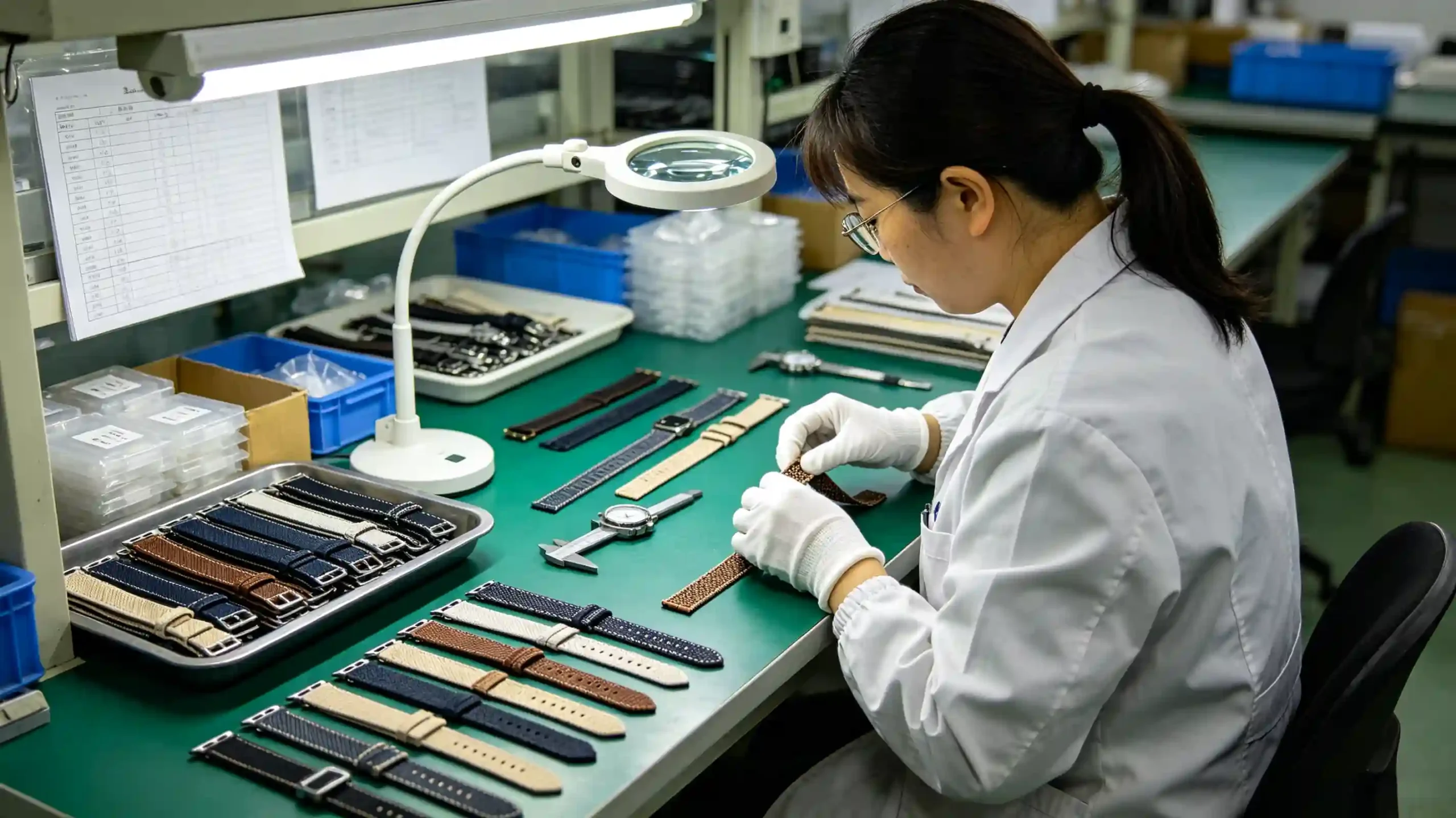
Process Objectives: Conduct 100% inspection to screen out defective items, ensure 100% compliance of finished goods, standardize packaging, and complete the warehousing of finished products.1. Visual Inspection: Fabric surface free of color variations, skipped stitches, or pilling; stitching neat and flawless; edge sealing intact with no cracking; logo clear and securely attached.2. Structural Inspection: Multi-layer construction free of delamination or air pockets; holes free of yarn breakage or cracking; strap profile flat and free of deformation.3. Functional Inspection: Hardware buckles operate smoothly without burrs or looseness; withstands tension/pull tests without stitching failure or edge splitting.4. Dimensional Inspection: Length, width, and hole diameter strictly meet specifications and tolerance standards.5. Tactile/Quality Inspection: Surface clean and free of stains; texture soft and smooth; no stiff or abrasive areas.
Add Your Heading Text Here
Lorem ipsum dolor sit amet, consectetur adipiscing elit. Ut elit tellus, luctus nec ullamcorper mattis, pulvinar dapibus leo.
I. Customization of Dimensions & Structure (Essential Basics)1. Lug width: Standard sizes (18/20/22/24mm); custom tooling available for non-standard sizes (e.g., 19mm, 21mm).2. Hole designNumber of adjustment holes, spacing, and shape (round/oval).Custom hole positioning; option for a hole-free design (e.g., Velcro style).3. End curvature: Radius of the lug-end curve; rounded or angled tip shapes; non-standard shapes require new cutting dies.4. Attachment interfaceStandard spring bars or quick-release spring bars.Integrated connectors for specific smartwatches (dedicated mounts for Apple Watch, Samsung, Garmin, etc.).
III. Printing, Logo, and Pattern Customization 1. Logo application methodsHeat transfer (full-color, suitable for complex designs).Silicone heat-pressed label (raised logo, durable, tactile feel).Screen printing (single-color, cost-effective).Woven label (fabric tag stitched onto the back of the strap).Jacquard logo: Woven directly into the strap body (premium look, highest MOQ).2. Stitching thread color: Customizable thread color; contrasting color options available. Color-matched stitching
II. Material Customization (Key Differentiators for Woven Straps)1. Base materialWoven types: Nylon, poly-cotton blend, Cordura, PP webbing, colored jacquard weave.Fabric composites: Canvas, washed canvas, faux linen, Oxford cloth.2. Weave patternsPlain weave, twill, checkered weave, jacquard webbing.Density customization: Loose weave vs. high-density tight weave (for superior durability).3. Color customizationSelection from existing color charts; custom color dyeing (subject to MOQ).4. Skin-contact lining: Microfiber, stretch fabric, or breathable mesh; optional cushioning foam layer.
IV. Custom hardware set 1. Hardware materials: Stainless steel, alloy (zinc alloy)2. Hardware stylesPin buckles, sliding buckles, D-ringsKeepers (fixed loops: single or double; fixed keepers can be made movable)Quick-release spring bars; spring bar specifications4. Hardware engraving: Laser-engraved logo/serial number on buckles
Why choose fupengda
The world’s leading Chinese watch strap manufacturer.
Business
Since 2003
Location
Dongguan China
Factory
2,000m²
Certificate
50+
Employee
100+
FAQ Guide | More Info About Leather watch strap
Are fabric watch straps good?
Yes, excellent for casual, sporty, and daily wear.Fabric straps are highly appreciated for being lightweight, extremely breathable, washable, and comfortable. They are also non-reflective and secure.
How long do fabric watch straps last?
1 to 5 years of daily wear (depending on weave and quality).
What type of watch strap is most breathable?
The single most breathable strap type—woven nylon mesh allows air to flow directly through the entire band.
More Products Info
Add Your Heading Text Here
Lorem ipsum dolor sit amet, consectetur adipiscing elit. Ut elit tellus, luctus nec ullamcorper mattis, pulvinar dapibus leo.